
A good two-week AI pilot doesn’t mean switching AI on for every practitioner and appointment type the next day.
It means you’ve started to see what works, what doesn’t and where AI could genuinely make a difference in your clinic.
Maybe your practitioners are spending less time completing notes, or more documentation is being finished during the workday instead of after hours. You might also find that some workflows benefit from AI while others don’t.
Whatever the results, the next step should be based on what actually happened during the trial, not on assumptions about what AI should be able to do.
Here’s how to move from a small AI pilot to broader clinic adoption without losing control of quality, workflow or practitioner confidence.
Review Your AI Pilot Against the Original Baseline
Before deciding whether to expand, make sure you’re clear about what you wanted to achieve.
If the goal was to reduce documentation time, compare the time practitioners spent on notes before and during the pilot. If you wanted to reduce after-hours work, look at whether that actually changed.
Look at the measures that mattered when you started, such as:
- Time spent completing documentation
- Same-day completion of notes
- After-hours documentation
- How much editing or correction was needed
- Practitioner confidence in the output
- How consistently the tool was being used
You don’t need a huge amount of data. You need enough to see whether the workflow is genuinely improving.
Ask Your Practitioners Where AI Works Best
Results may vary across practitioners, appointment types and workflows.
That’s useful information.
One practitioner might find AI particularly helpful for longer consultations, while another may prefer using it for more straightforward appointments.
Ask specific questions:
- Where did it work well?
- Where did it need more adjustment?
- Where did it not add enough value?
This helps you identify the workflows that are ready to expand and those that may need a different approach.
You don’t have to roll AI out everywhere just because the testing was successful in one area.
Resolve Recurring Problems and Corrections
Some issues may only come up occasionally during an AI trial. What matters is whether you start seeing the same problems repeatedly.
Keep track of recurring issues and look for patterns such as:
- Are certain details regularly being missed?
- Are particular appointment types producing less useful results?
- Are practitioners spending too much time correcting the same type of output?
If there is a recurring problem, address it before expanding the rollout. A controlled rollout doesn’t mean expecting everything to be perfect. It means noticing problems early, dealing with them and knowing when not to push ahead.
Confirm Privacy, Access and Review Processes
Before expanding AI use, make sure your team understands how the tool should be used and who remains responsible for the final result.
Practitioners should know what they need to review before completing a note and what to do if the AI output isn’t suitable.
It’s also important to confirm that your clinic’s privacy and access processes are appropriate for the way the tool is being used.
A tool can be useful and still need clear boundaries around how it is used.
Set a 30-day AI Review Point
Once you’ve expanded the initial rollout, set a clear review point, such as 30 days later. This gives you a chance to check whether the improvements you saw during testing are continuing as more practitioners and workflows are brought into the process.
Look at the same measures you started with, along with any new issues that have emerged:
- Are documentation times still improving?
- Are notes being completed on time?
- Are practitioners still confident using the tool?
- Has the quality remained consistent as usage has increased?
If the results are holding up, you have stronger evidence to support expanding AI us. If they’re changing, you have an opportunity to address the issue before it becomes a bigger problem.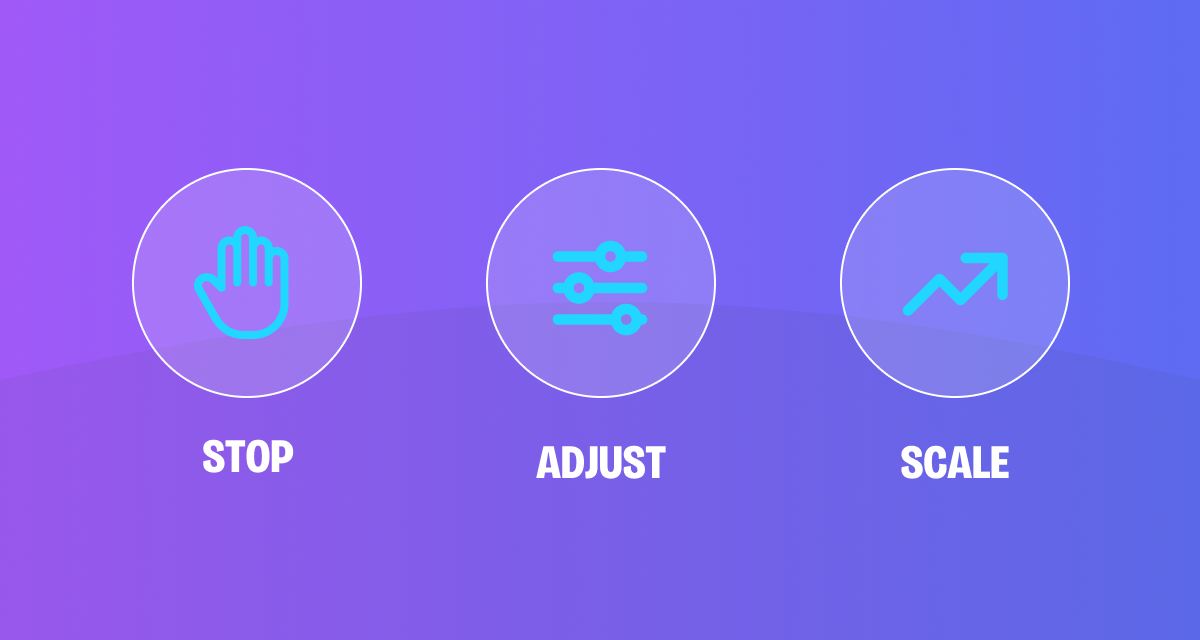
Know When to Stop, Adjust or Scale
By this point you should have enough evidence to decide what happens next.
Scale when the AI is delivering a clear benefit, quality remains consistent and practitioners are comfortable using it.
Adjust when the tool is useful but certain workflows, appointment types or processes need changing.
Stop when a particular use case consistently creates more work than it saves or isn’t delivering enough value.
Stopping or changing an AI workflow isn’t a failed pilot. It’s useful information about where the technology does and doesn’t work for your clinic.
The goal isn’t to use AI everywhere. It’s to find where it genuinely helps your clinic and your team.
The process doesn’t need to be complicated: test, review, expand, check again and decide. What matters is basing each step on what you see in your own clinic, rather than simply assuming more AI is always better.
Want to find out more? Start a free trial with Nookal today.




Leave a Comment